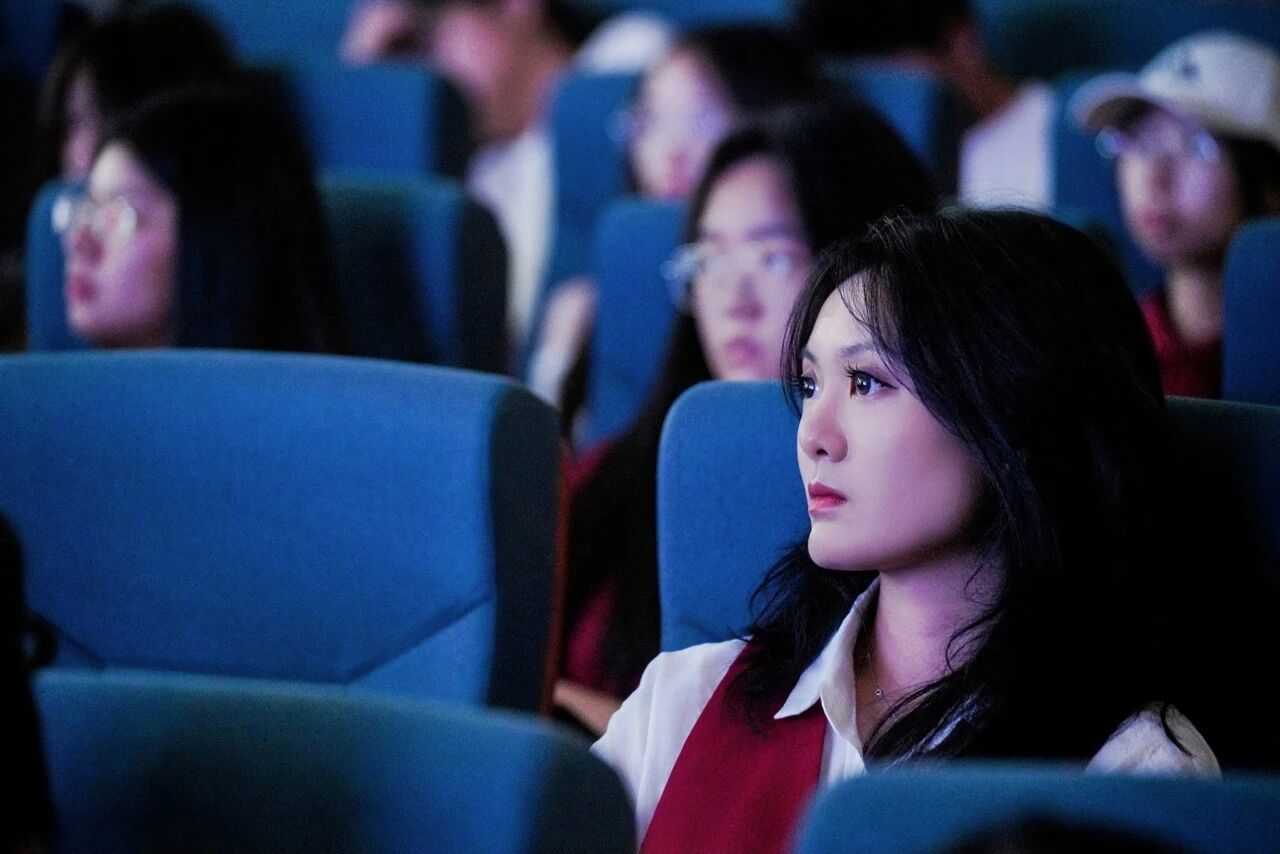
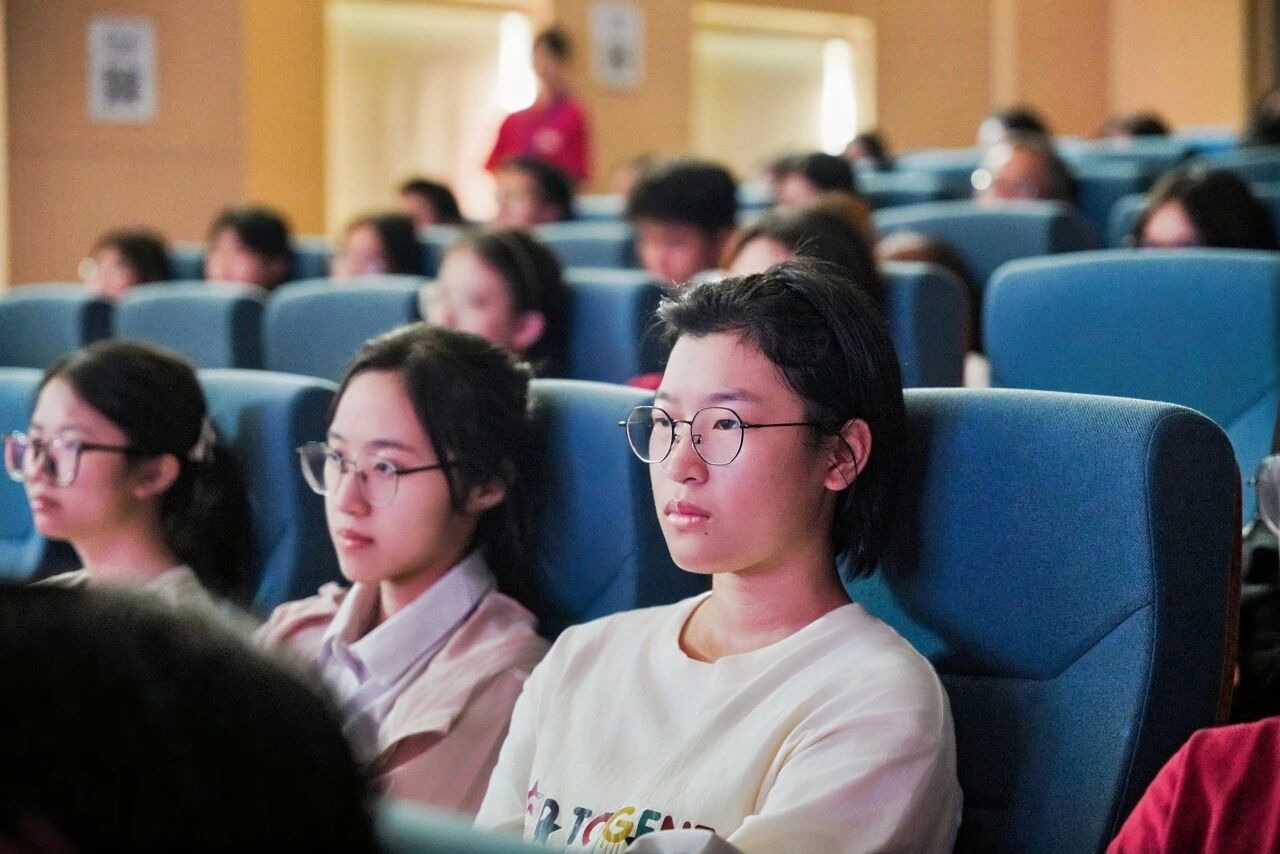
A family's journey from Malaysia to their ancestral home in Guangdong provided the focus of a documentary screening and academic symposium at Nanfang College, Guangzhou (NCG) on 15 October. Centred on Mountains and Seas of Our Ancestors, a film created by NCG faculty and students over three years, the event explored the experiences of overseas Chinese communities, the preservation of cultural heritage and the role of documentary filmmaking in education and international communication.
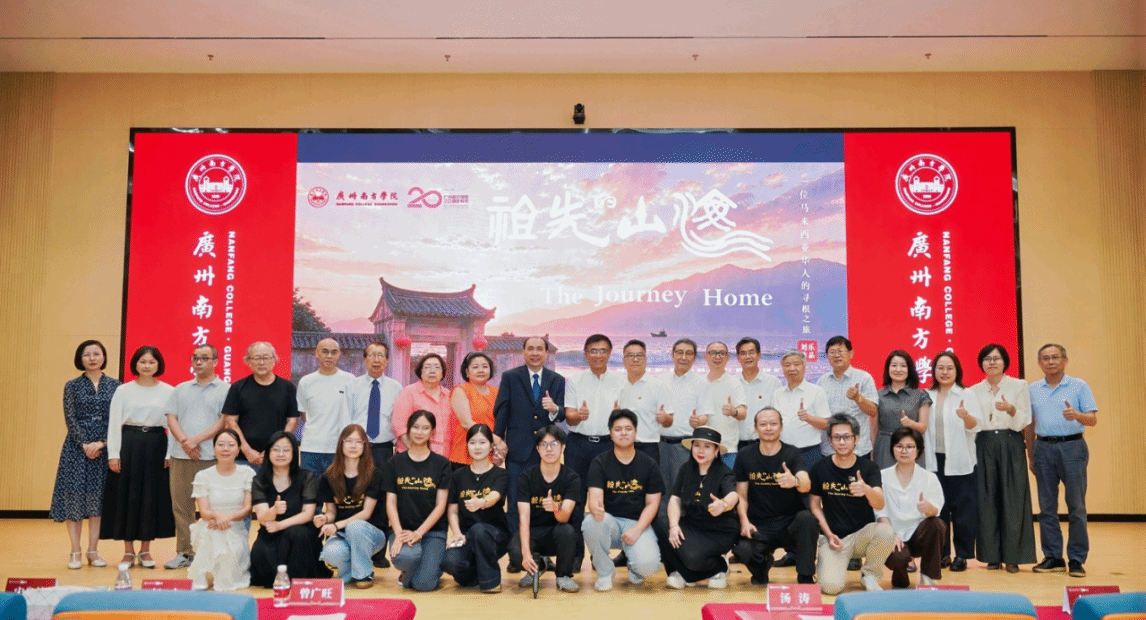
Held at the Gezhi Building Auditorium as part of the College's 20th anniversary celebrations, the event brought together NCG President Tao Tang, Party Secretary Ruan Yingdong and other university leaders. Guests included Zeng Guangwang, President of the Guangdong Radio, Film and Television Association; Yang Yu, Secretary-General of the Guangdong Film Association; Song Xiaonan, Secretary-General of the Guangdong TV Artists' Association; and Lu Huijuan, Deputy Director of the Publicity Department of the CPC Conghua District Committee.
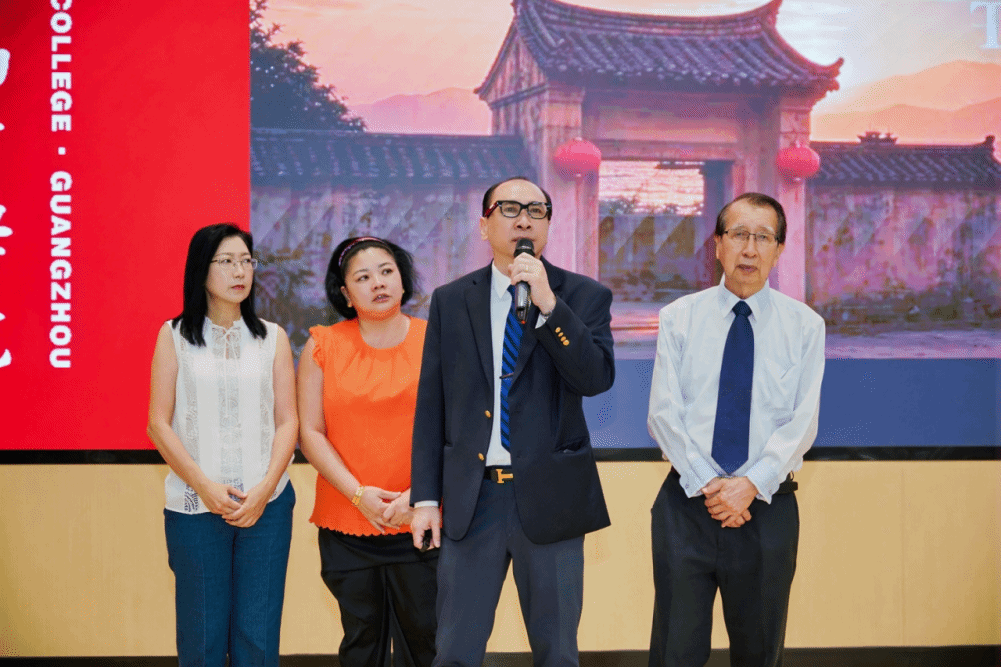
Also attending was Yu Jiafu, Malaysian Chinese lawyer and President of the China–Malaysia Friendship and Mutual Assistance Association, whose family story lies at the heart of the documentary. Members of the production team, faculty and students joined the gathering.
The film follows Yu and three generations of his family as they return from Malaysia to Luhe County in Shanwei, Guangdong, in search of their ancestral roots. Their journey connects personal experiences of migration and homecoming with the revolutionary history of the Hailufeng region, the memories preserved in qiaopi—letters and remittances sent by overseas Chinese to relatives in China—and the cultural ties between China and Malaysia.
Drawing on archival materials and personal accounts, the documentary brings these histories to the screen while exploring questions of identity and belonging among younger generations of Chinese descent. At its centre is the enduring question of what it means to know one's roots.
Speaking after the screening, Yu reflected on the sense of connection to China that his ancestors had preserved despite settling overseas. That attachment, he explained, had been passed down through successive generations. Returning to their ancestral home with his family allowed him to fulfil a long-held wish on behalf of those who had come before him.
The documentary was developed by faculty and students from NCG's School of Literature and Media, with Professor Sun Li, Dean of the School, leading the planning and Associate Professor Liu Le directing the production. More than 20 participants from different academic backgrounds contributed to the project, taking part in preliminary research, fieldwork, overseas interviews, studies of overseas Chinese history and international communication.
The team also incorporated digital humanities approaches and AI-generated content (AIGC) techniques into the production process. By combining academic research, creative practice and international fieldwork, the project offered students an opportunity to apply their knowledge beyond the classroom.
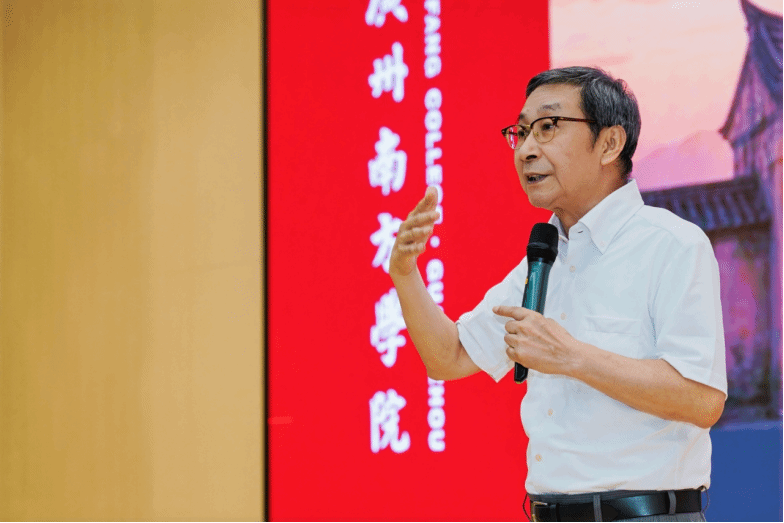
In his address, President Tang highlighted the documentary as an example of NCG's integrated approach to applied education, liberal arts education and internationalisation. He also noted its contribution to university–industry collaboration and closer links between education, research and practical application.
For President Tang, the filmmaking process demonstrated how liberal arts education could develop students' aesthetic judgement, emotional understanding and humanistic awareness. He described the experience as a “classroom on the move”, enabling students to learn through practical engagement both within China and overseas.
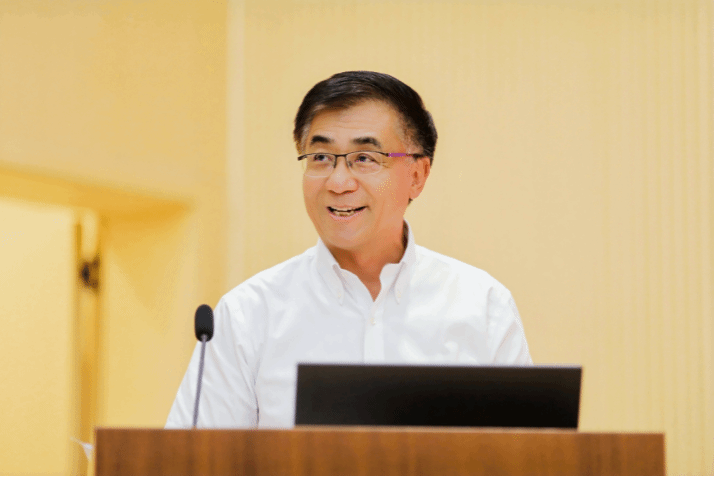
Professor Sun and Associate Professor Liu subsequently shared their experiences of bringing the documentary to fruition, reflecting on the creative challenges and thanking the individuals and organisations whose support had contributed to the project.
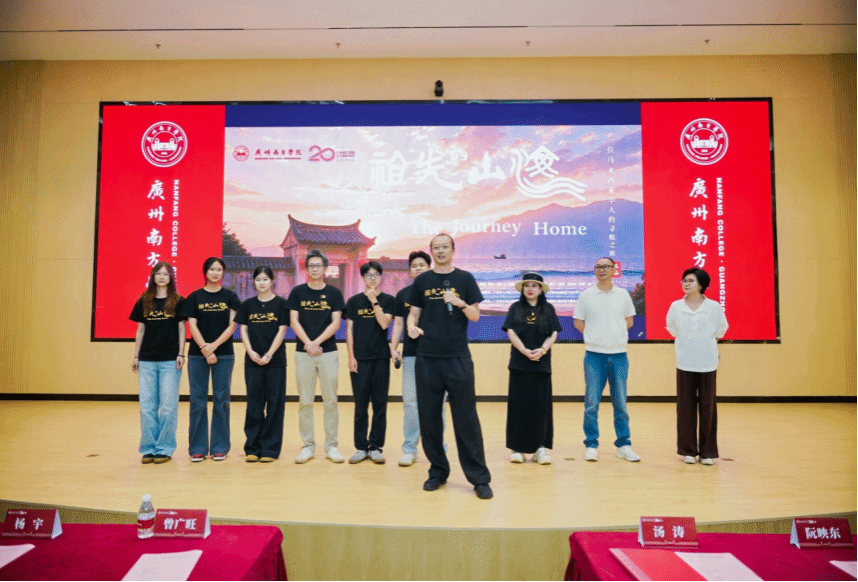
The film's value as a record of overseas Chinese history received further recognition during the event when Guangzhou Library formally accepted it into its permanent collection. Zeng Jie, representing the Library's Guangzhou Documentary Research and Exhibition Centre, presented a collection certificate to the production team.
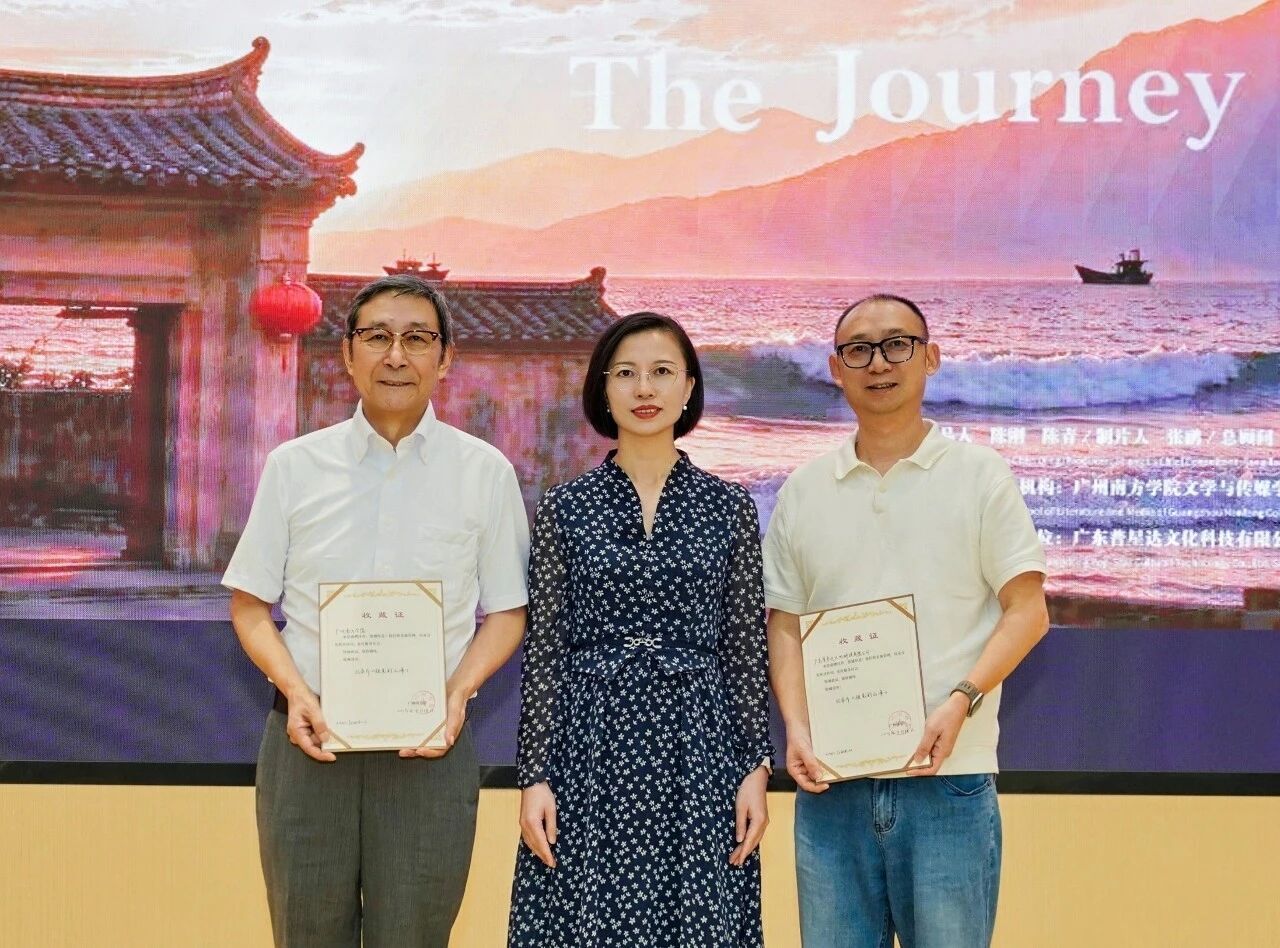
The documentary will be preserved in the Library's Yueqiao Yingyi special collection, dedicated to the visual memories of overseas Chinese communities with roots in Guangdong. Its inclusion will help safeguard the personal histories, cultural connections and memories of migration captured in the film.
The academic symposium that followed brought together specialists in communication studies, overseas Chinese history and filmmaking. Discussions examined how documentary storytelling could bring the historical and cultural resources of overseas Chinese communities to wider audiences and contribute to the development of distinctive local cultural identities.
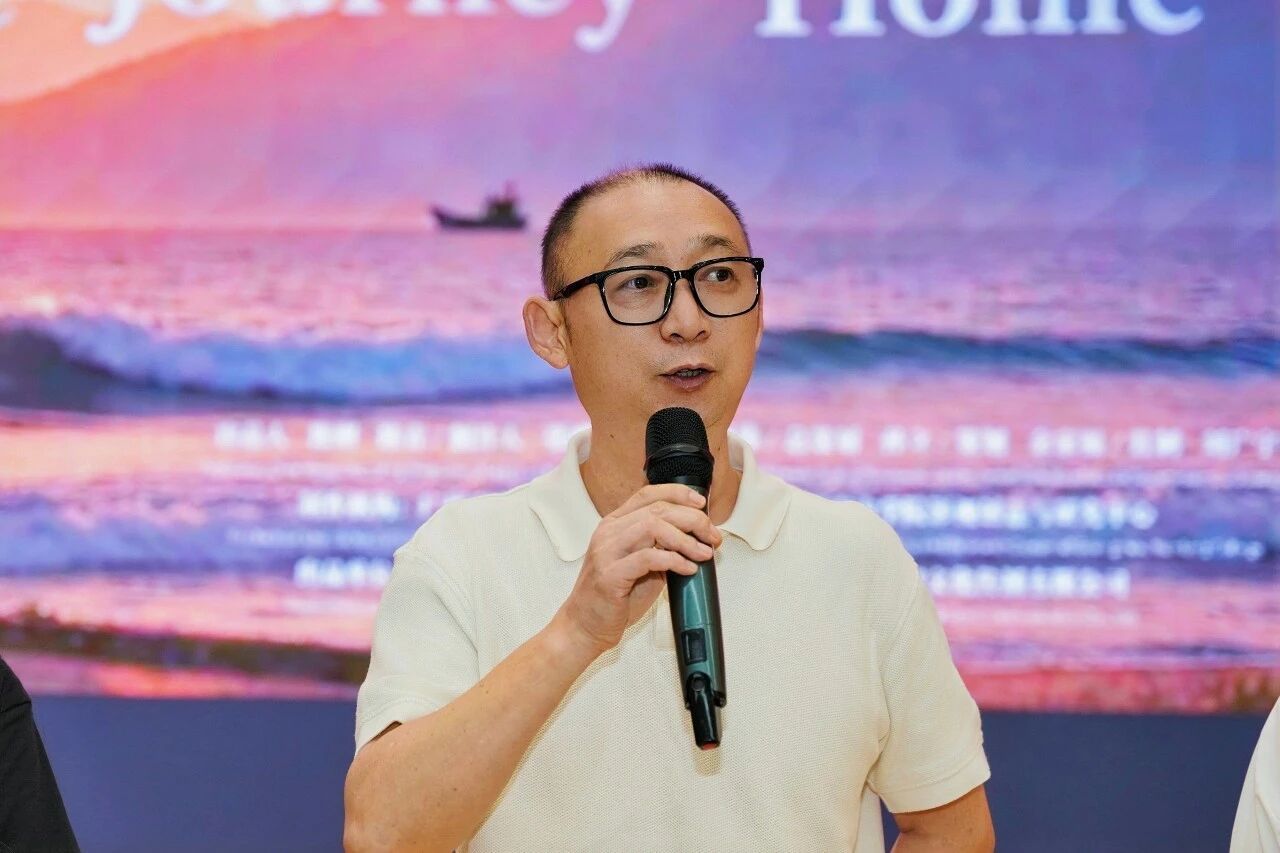
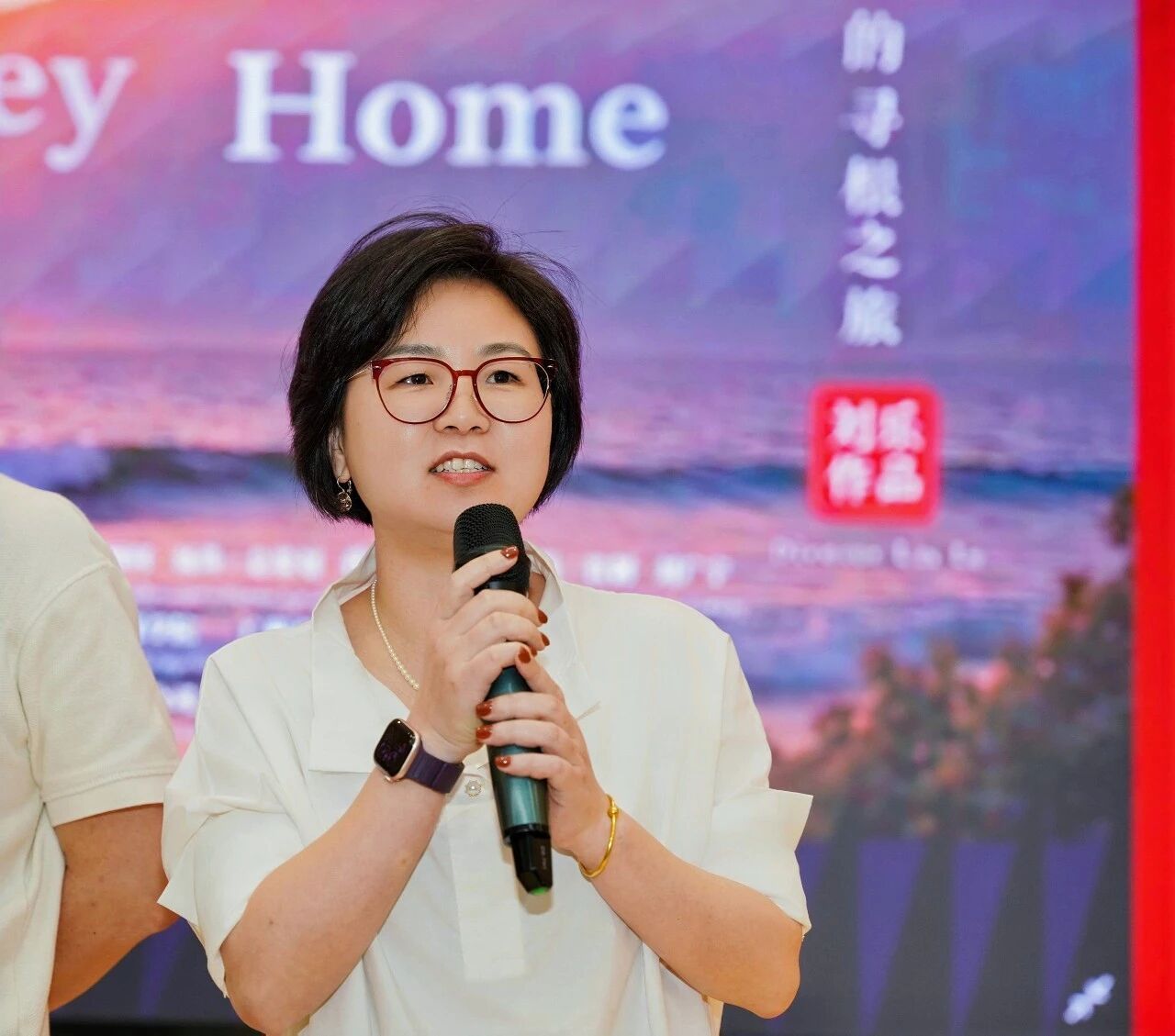
Participants highlighted the film's integration of revolutionary history and overseas Chinese heritage, noting how the two narratives complemented one another. By bringing archival research and lived experience together through a family's homecoming, the documentary offers an approach to exploring Guangdong's overseas Chinese history that could inform future productions.
As NCG enters its third decade, the project reflects its commitment to combining academic learning with creative and practical experience. The College will continue to develop graduates with strong disciplinary foundations, sound judgement, innovative capabilities and a sense of social responsibility, contributing to educational development in Guangdong and the wider Guangdong–Hong Kong–Macao Greater Bay Area.


