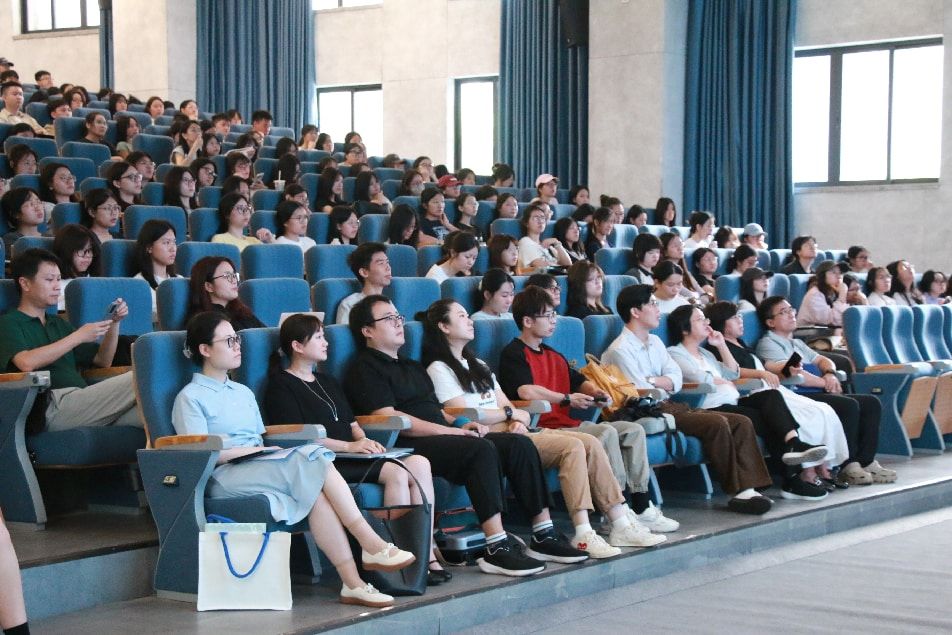
More than 2,600 newly admitted top-up degree students at Nanfang College, Guangzhou (NCG) were introduced to the College’s micro-majors through a series of information sessions held on 6 September.
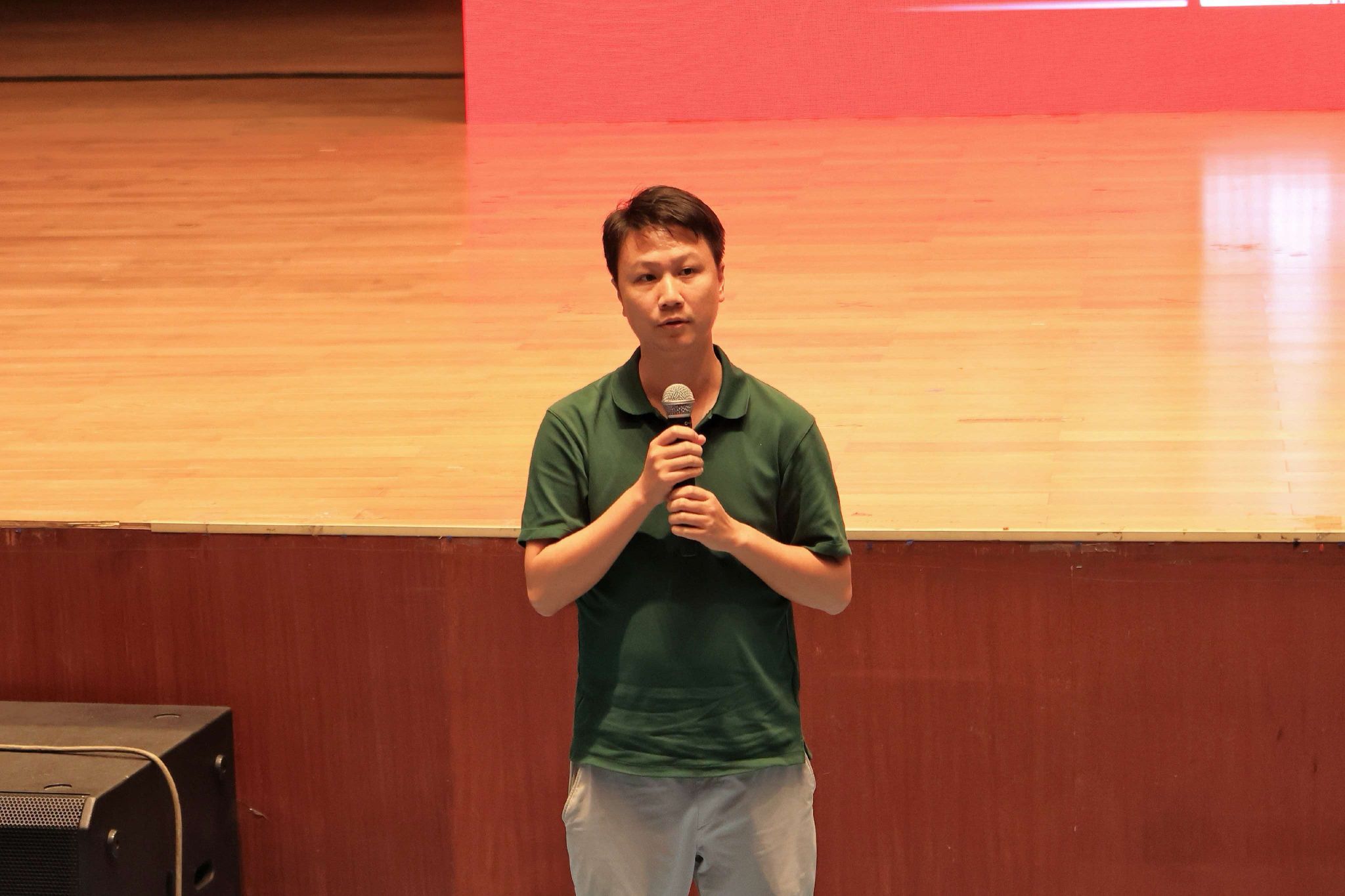
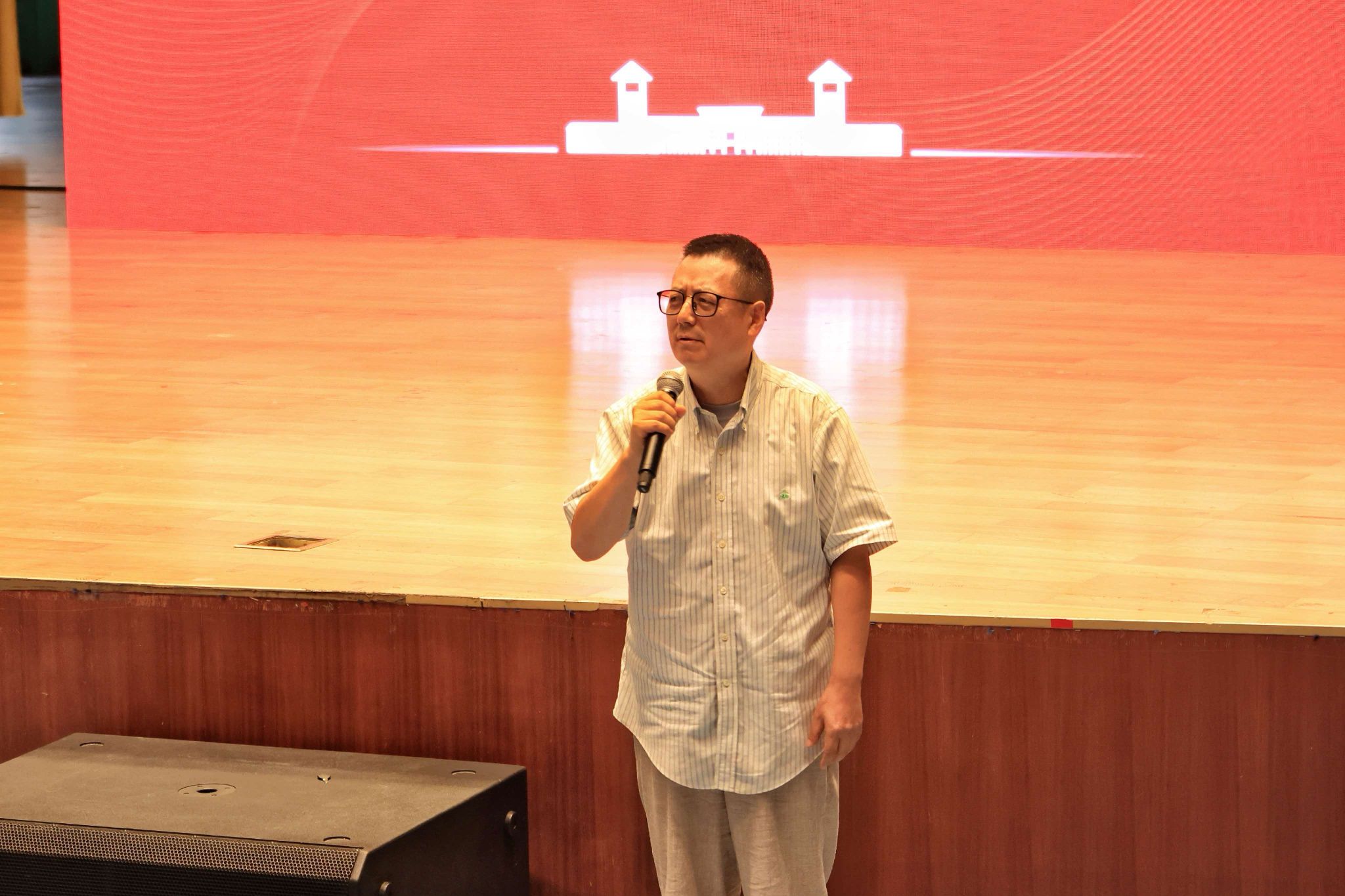
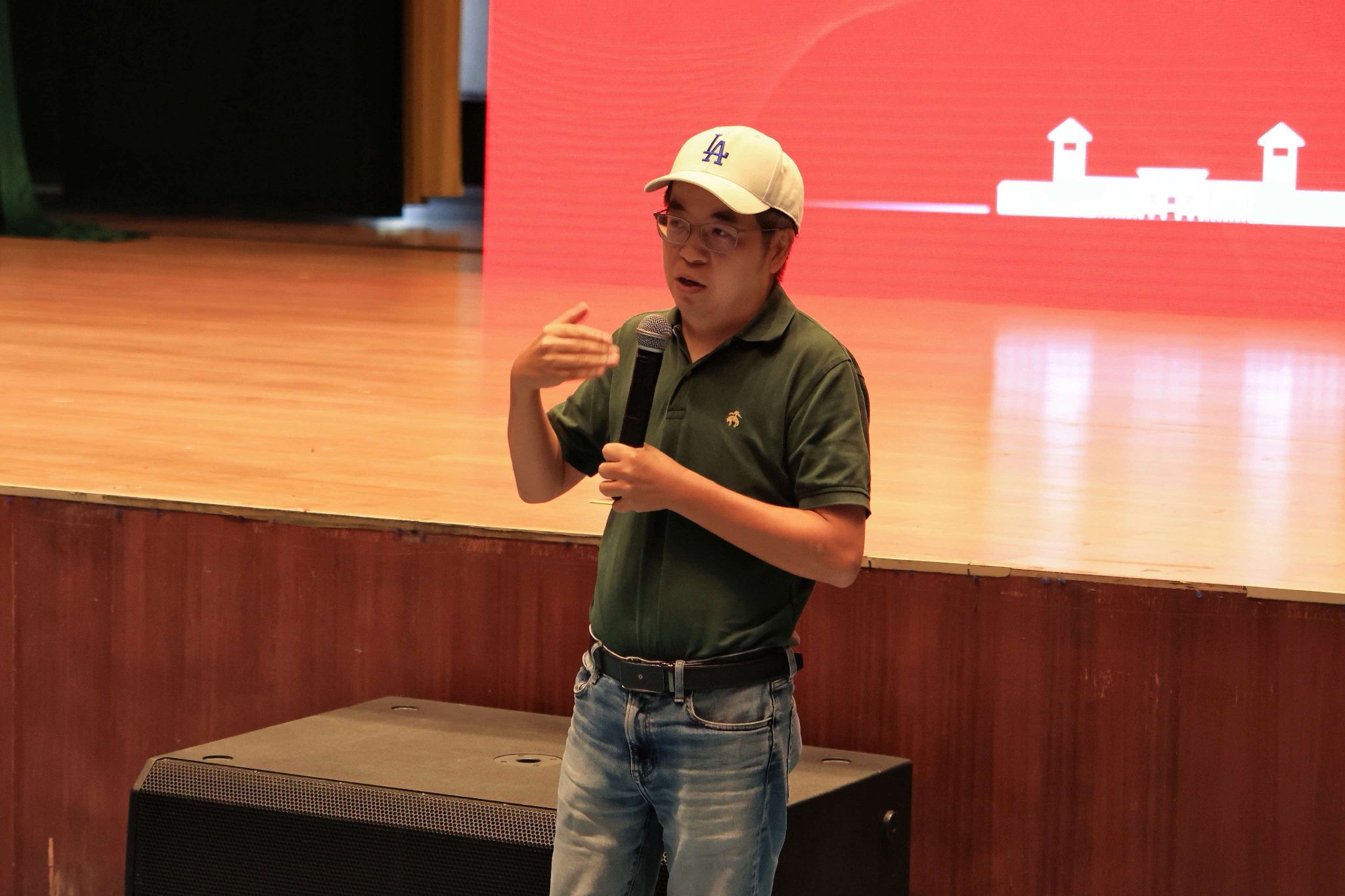
Organised by the Academic Affairs Office, the three sessions took place in the Lecture Hall of the Teaching and Research Building and the Auditorium of Zhonghe Building. Haibo Luo, Deputy Director of the Academic Affairs Office, led the presentations, joined by Xiaoying Zhong, Director of the Academic Affairs Office; Fengling Zhou, Deputy Head of the Supervision Team of the Teaching Quality Evaluation Office; and faculty members and coordinators representing 22 micro-majors.
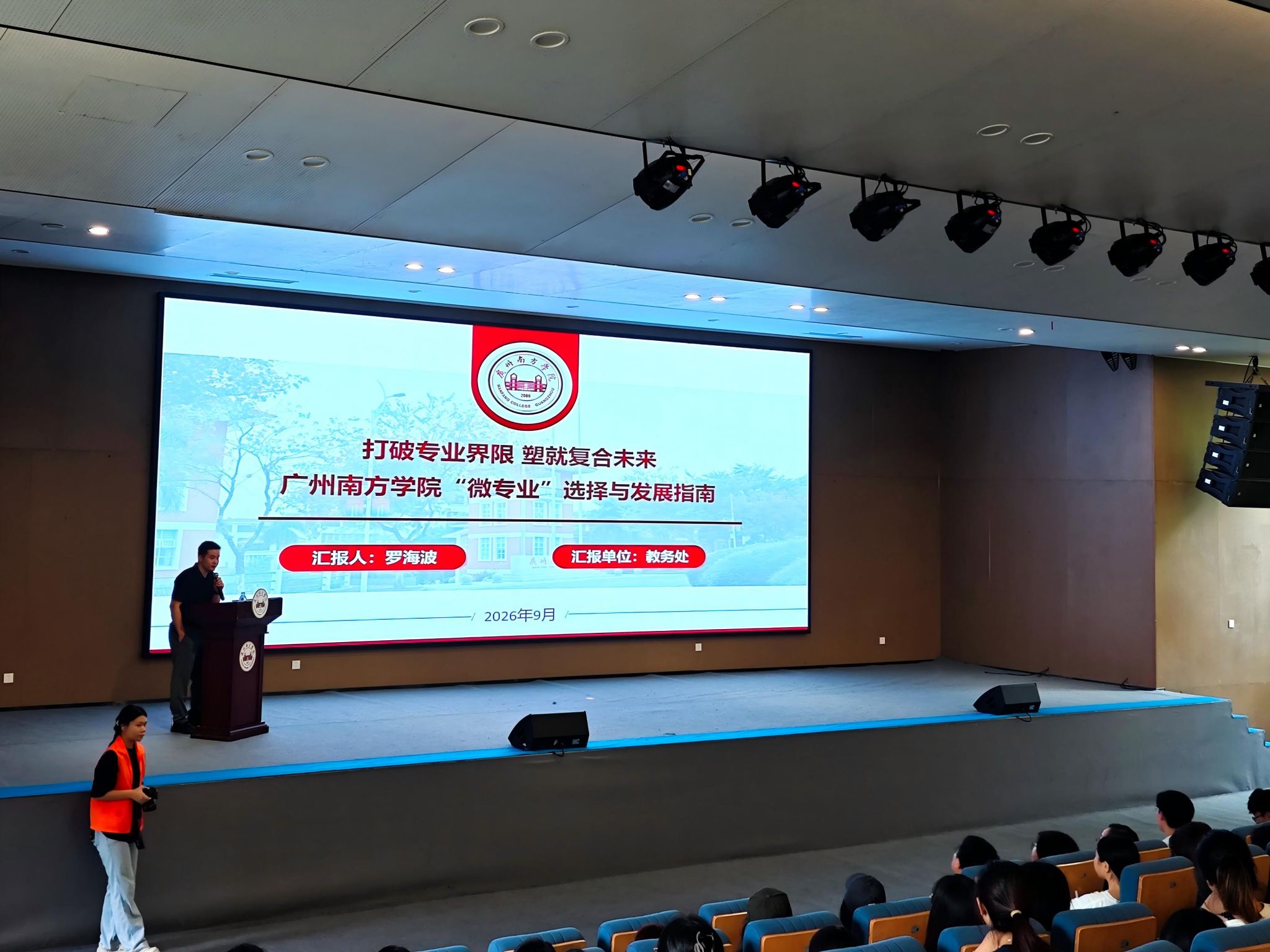
Under the theme “Breaking Disciplinary Boundaries, Building a Multidisciplinary Future”, the sessions explored how students can complement their main field of study with skills and knowledge from other disciplines. Luo noted that, in an era increasingly shaped by artificial intelligence, employers are placing greater value on “T-shaped” graduates who combine depth in their principal discipline with a broader range of complementary skills.
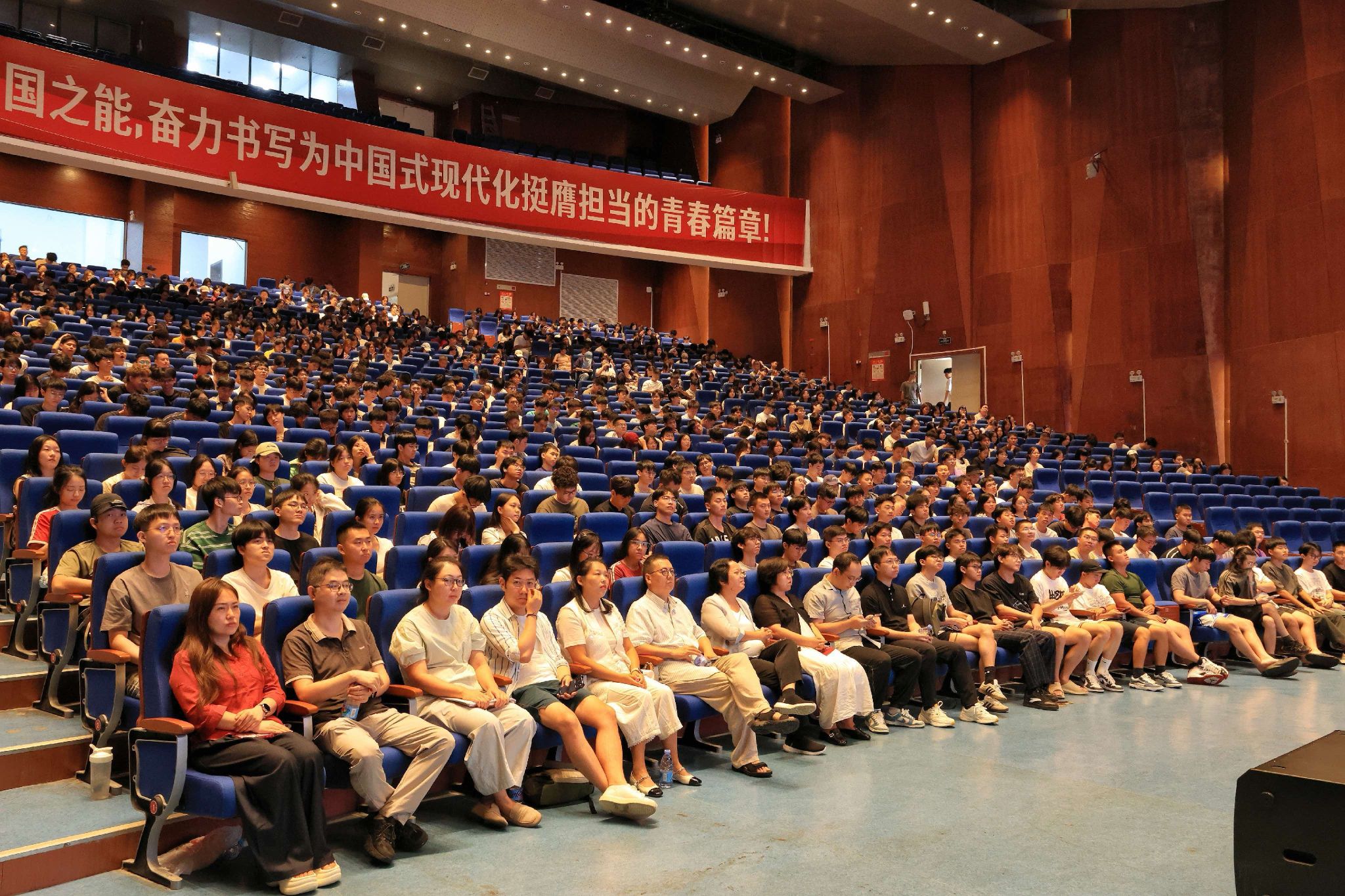
NCG’s micro-majors offer students a flexible route to this kind of interdisciplinary development. Requiring only three to eight credits, they can be completed over one semester to one year through evening, weekend or online classes, allowing students to broaden their skill sets alongside their regular degree studies. During the Q&A sessions, Luo addressed practical questions on course schedules, tuition fees and the application process.
Students also heard directly from micro-major coordinators, who introduced their respective curricula, distinctive areas of study and potential career pathways. The presentations gave students a clearer picture of the options available and an opportunity to consider which best matched their interests and future plans.
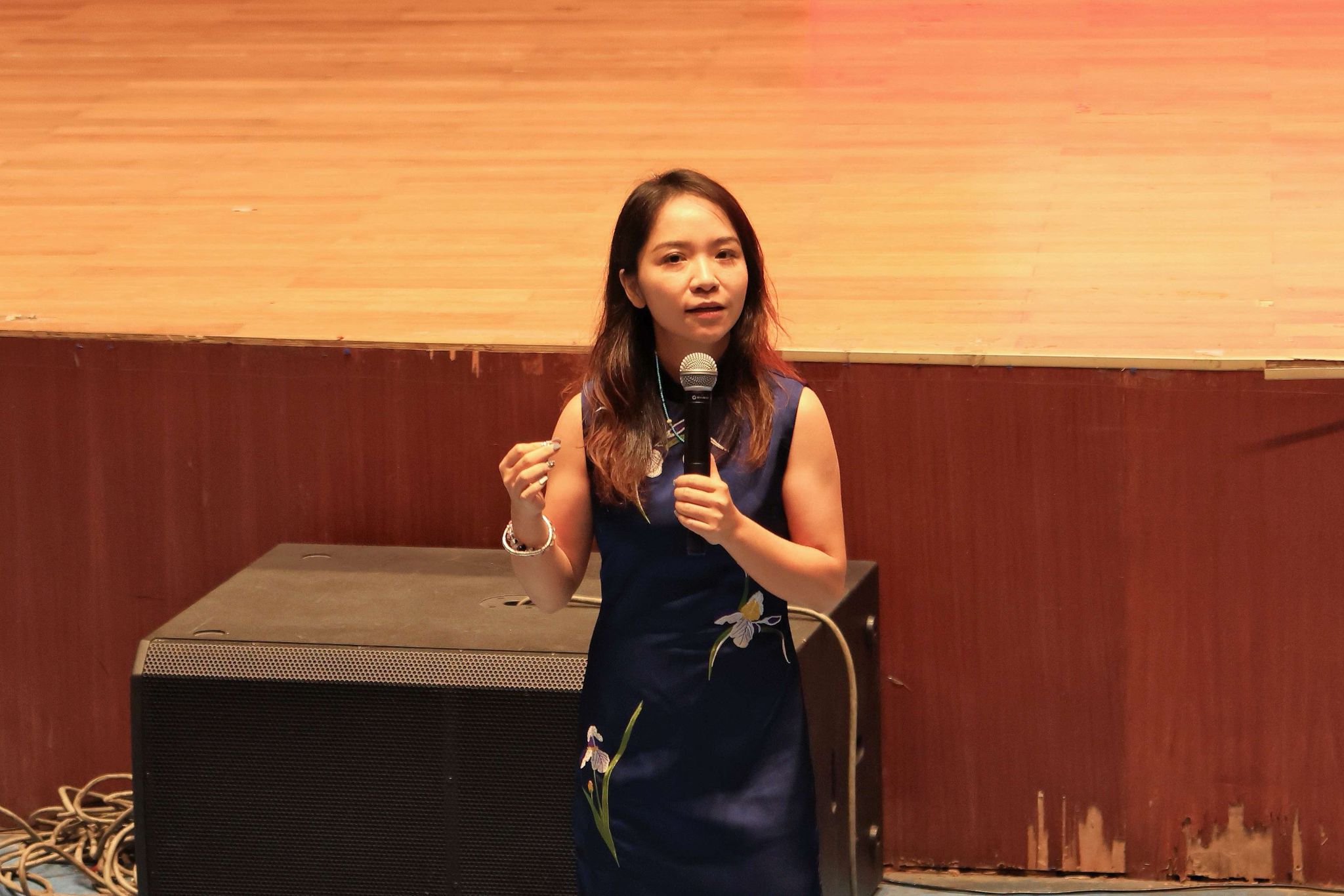
For the 2026–2027 academic year, NCG is offering 46 micro-majors drawing on specialist strengths across its academic schools. The portfolio spans five broad areas: engineering and information technology; management and the digital economy; medicine, health and care; literature, journalism and communication; and the arts. Offerings include emerging fields such as new media e-commerce and intelligent supply chain operations, small unmanned aerial vehicle flight control and practical operation, cybersecurity and information security, AIGC-enabled commercial media creation, and smart health and elderly care.
The sessions were designed to help top-up degree students consider interdisciplinary learning opportunities from the beginning of their studies at NCG. By building complementary capabilities around a strong foundation in their main discipline, students can broaden their academic experience, develop a more versatile skill set and prepare for an increasingly interdisciplinary professional environment.

Source:https://www.nfu.edu.cn/info/2131/121451.htm


